
15/04/2026 | Food, Flavour
Flavour so good you'll try to eat with your eyes.
The Art of Visual Plating
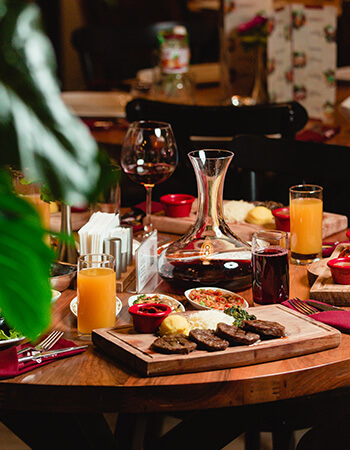
They say we eat with our eyes first, and nowhere is this more true than at Crave. The visual presentation of food is a critical part of the dining experience, setting expectations and building anticipation before the first bite is even taken. In this post, we explore the philosophy behind our culinary presentations and why visual appeal is as important as taste.
Plating is an art form that balances color, texture, and geometry. A well-plated dish should guide the diner's eye, highlighting the star ingredient while allowing the supporting elements to create a harmonious composition. From the vibrant reds of fresh tomatoes to the deep greens of herb oils, every color plays a role in the story we tell on the plate.
"The plate is a canvas, and the ingredients are our colors. Our goal is to create a masterpiece that tastes even better than it looks."
- Head Chef Andrew Joe
The Rule of Odds
One of the fundamental principles of food presentation is the "Rule of Odds." Serving items in odd numbers—like three scallops instead of four—creates a sense of visual intrigue and natural asymmetry. This subtle technique prevents the dish from looking too rigid or manufactured, giving it an organic, effortless beauty.
Texture and Contrast
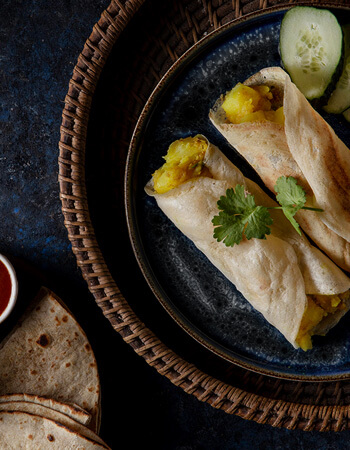
Visual texture is just as important as physical texture. We use contrasting elements—a smooth puree beneath a crispy sear, or delicate microgreens scattered over a hearty roast—to create a dynamic landscape on the plate. These contrasts not only make the dish visually appealing but also hint at the complex flavors waiting to be discovered.

Andrew Joe
Head Chef
With over 15 years of experience in Michelin-starred kitchens across Europe, Andrew brings a passion for seasonal ingredients and artistic presentation to every dish at Crave.